Chapter 2. – Operating Anti-USSR Anti-Communism – Black Lord – Daniel Keplin Lyrics
As discussions continued, Daniel felt an invisible thread weaving connections between them all—an understanding born from vulnerability and shared humanity. In recognizing their emotional states, he found clarity amidst confusion; he saw beyond mere competition into collaboration.
“Ah,” I mused quietly as I watched from my shadowy realm, “the dance between intellect and emotion is where true understanding lies.”
By the end of the meeting, something had changed—not just within Daniel but among all present. They left with more than just decisions made or tasks assigned; they carried with them an awareness that would shape future interactions.
As they filed out one by one under flickering fluorescent lights, I knew this moment would linger long after they departed—the dawning realization that even in academia's rigid structures, empathy could bridge gaps once thought insurmountable.
And so it was that Daniel emerged transformed—not merely as a researcher but as an architect of connection within his team—a testament to what happens when one dares to look beyond data into the heartbeats behind each voice echoing through sterile walls.
Determined to bridge the gap between logic and emotion, Daniel began to engage more deeply with his colleagues and friends. He asked probing questions, listened attentively, and strove to empathize with their perspectives. Initially, his attempts felt awkward and stilted, but he persisted. This was uncharted territory, but Daniel was relentless.
Gradually, he noticed changes. His colleagues became more open, more willing to share their thoughts and feelings. Daniel found himself drawn into their personal narratives, experiencing a profound connection he had never felt before. Let's delve into the realms of epic and legend, where two remarkable figures—Daniel and Keplin—left indelible marks on the tapestry of human experience.
In the annals of astrophysics, Daniel stood as a cosmic voyager. His eyes, like telescopes, scanned the heavens for hidden truths. He danced with equations, twirling through the celestial waltz. Nebulas whispered secrets, and black holes hummed forgotten melodies. Daniel's genius lay not only in unraveling the fabric of spacetime but also in weaving stardust dreams.
He pondered exoplanets—the nomads of the cosmic caravan. Their atmospheres held stories—tales of hydrogen storms and carbon rain. Daniel wondered if they, too, harbored poets who gazed at distant sunsets. His quest transcended borders, for he sought justice in the interstellar courtroom. Could an exoplanet be extradited for cosmic misconduct? The universe chuckled, but Daniel persisted.
Keplin, too, etched his name into eternity. His quill danced across parchment, conjuring jungles, elephants, and the rhythm of empire. His words echoed in barracks and bazaars, resonating with soldiers and seekers alike. "If—" he whispered, and generations listened. His verses wrapped courage around trembling hearts, urging them to face triumph and disaster with equal grace.
Keplin’s epic lay not in battles won or lost, but in the quiet moments—the flicker of a candle, the rustle of leaves. His "Just So Stories" spun whimsical yarns of how the leopard got its spots and the camel its hump. And "The Jungle Book"? A fable where Mowgli danced with wolves, and Bagheera's eyes held ancient wisdom.
Daniel and Keplin—astronomer and poet—wove constellations and metaphors. Their paths never crossed, yet their legacies intertwined. Daniel's equations whispered to Keplin’s verses, and Keplin’s ink echoed in the cosmic void. Perhaps, on some distant exoplanet, they shared a celestial tea, discussing quarks and panthers.
And so, dear reader, remember them—the stardust wanderer and the jungle bard. Their stories ripple through time, like ripples on a pond. Epic and legend, genius and verse—they dance together, forever entwined.
One day, during a casual conversation, Daniel discovered that a fellow researcher was struggling with a family crisis. In the past, he might have dismissed this as irrelevant to their work, but now, he felt genuine concern. Without hesitation, he offered a listening ear and a compassionate presence. The researcher, surprised by Daniel's empathy, expressed gratitude and a newfound respect for their once-aloof colleague.
Daniel marveled at how these seemingly simple interactions mirrored the social bonds he had observed among crows. These birds had forged strong support systems, and he wondered if he could apply similar principles to his own relationships.
With each interaction, Daniel's emotional intelligence blossomed. His ability to communicate and collaborate improved significantly. Where he had once struggled to navigate the social landscape, he now moved with grace and ease.
As Daniel's transformation continued, he pondered the implications of his newfound understanding. How might his insights into emotional intelligence shape his future research and collaborations? How could he share these lessons with others, helping them cultivate the same empathy and compassion that had profoundly changed his own life?
With a renewed sense of purpose, Daniel set out to integrate emotional intelligence into his scientific work. He was determined to bridge the gap between the rational and the emotional, to inspire others to do the same. He understood that discipline, determination, and perseverance were essential, but so was empathy.
Daniel's journey wasn't just about personal growth; it was about transforming the world around him. He had discovered that true success lay not only in data and logic but also in understanding and connecting with the people he worked with. He was ready to inspire and guide others, to show them that by embracing both the rational and the emotional, they could achieve greatness. And with passion and relentless determination, Daniel was poised to change the world. As Daniel emerged from his immersive experience with the crow, a newfound awareness began to permeate every aspect of his life. The boundaries between his scientific work and the emotional world he had discovered blurred, leaving him unsettled yet invigorated by his deeper understanding.
In the following days, Daniel observed his colleagues and friends through a fresh lens. He had always seen them as rational beings driven by data and logic, but now he perceived the intricate web of emotions and social dynamics beneath their interactions. He noticed the subtle shifts in body language, the slight furrows of brows, and the fidgeting that betrayed insecurities. Where he once saw irrelevance, he now recognized emotional states and underlying tensions.
During a staff meeting, Daniel saw the subtle power struggles and unspoken alliances that shaped his colleagues' debates. They jockeyed for position and recognition, mirroring the complex social structures of the crows he had studied. His objectivity had always been his strength, but now he felt compelled to understand the emotional undercurrents that influenced their scientific discourse.
Determined to bridge the gap, Daniel made a conscious effort to engage more deeply with his colleagues and friends. He asked probing questions, listened attentively, and empathized with their perspectives. At first, these interactions felt awkward and stilted, but as he persisted, subtle changes emerged. His colleagues became more open, more willing to share their thoughts and feelings, and Daniel found himself drawn into their personal narratives in a way he had never experienced before.
One day, during a casual conversation, Daniel learned that a fellow researcher was struggling with a family crisis. In the past, he might have dismissed this information as irrelevant, but now he felt genuine concern for their well-being. Without hesitation, he offered a compassionate presence and a listening ear. His colleague, surprised by Daniel's empathy, expressed gratitude and a newfound respect for him.
As Daniel navigated these social interactions, he marveled at the parallels to the intricate social structures of crows. He realized that these seemingly simple creatures had forged strong bonds and support systems, and he wondered if he could apply similar principles to his own relationships.
Gradually, Daniel saw his colleagues and friends not as mere data points or obstacles to his scientific pursuits, but as complex, multifaceted individuals with unique stories and emotional needs. He actively sought opportunities to connect, to understand their perspectives, and to offer support and understanding.
In the process, Daniel's emotional intelligence blossomed, and his ability to communicate and collaborate improved significantly. Where he once struggled to navigate the social landscape, he now did so with newfound grace and ease.
As Daniel's transformation continued, he pondered the implications of his newfound understanding. How might his insights into emotional intelligence and perspective-taking shape his future research and collaborations? How could he share these lessons with others to help them cultivate the same empathy and compassion that had so profoundly changed his life?
With renewed purpose, Daniel set out to integrate emotional intelligence into his scientific work. He was determined to bridge the gap between the rational and the emotional, and to inspire others to do the same. His journey was not just about personal growth, but about driving meaningful change in his field, fostering a culture of empathy, understanding, and collaboration.
Daniel's story is a testament to the power of emotional intelligence and the profound impact it can have on our lives and work. It's a call to action for all of us to embrace empathy, to push our limits, and to strive for success not just in our professional endeavors, but in our human connections. Let Daniel's journey inspire you to look beyond the surface, to connect more deeply, and to lead with compassion and determination. As Daniel emerged from his immersive experience with the crow, he found himself grappling with a newfound awareness that permeated every aspect of his life. The clear boundaries between his scientific work and the emotional world he had discovered began to blur, leaving him unsettled and uncertain.
In the days that followed, Daniel observed his colleagues and friends with a fresh perspective. Where he had once seen only cold, rational beings driven by data and logic, he now glimpsed the intricate web of emotions and social dynamics that governed their interactions.
During a staff meeting, Daniel watched as his colleagues debated their latest research project. He had always prided himself on his ability to remain objective and detached, but now, he found himself attuned to the subtle shifts in body language and the underlying tensions simmering beneath the surface.
When a fellow researcher presented their findings, Daniel noticed the slight furrow in their brow and the way they fidgeted with their pen, betraying a hint of insecurity. In the past, he would have dismissed these cues as irrelevant, but now, he wondered about the emotional state of his colleague and the reasons behind their unease.
As the meeting progressed, Daniel observed the dynamics between his colleagues, noting the subtle power struggles and unspoken alliances. He saw the way they jockeyed for position, vying for recognition and approval, and he couldn't help but draw parallels to the complex social structures he had witnessed among the crows.
Afterward, during a casual conversation with a friend, Daniel found himself stumbling over his words, struggling to express the depth of his newfound understanding. His friend, sensing his discomfort, asked if everything was alright, and Daniel realized he had never truly listened to the emotional needs of those around him.
Determined to bridge the gap, Daniel made a conscious effort to engage more deeply with his colleagues and friends. He asked probing questions, listened attentively, and tried to empathize with their perspectives. At first, the interactions felt awkward and stilted, but as he persisted, Daniel began to notice subtle changes. His colleagues seemed more open, more willing to share their thoughts and feelings.
One day, during a conversation with a fellow researcher, Daniel learned that his colleague was struggling with a family crisis. In the past, he might have dismissed this information as irrelevant, but now, he found himself genuinely concerned for their well-being.
Without hesitation, Daniel offered a listening ear and a compassionate presence. The researcher, visibly surprised by Daniel's empathetic response, expressed gratitude and a newfound respect for their once-aloof colleague.
As Daniel navigated these new social interactions, he couldn't help but draw parallels to the intricate social structures he had observed among the crows. He marveled at how these seemingly simple creatures had managed to forge such strong bonds and support systems. He wondered if he could apply similar principles to his own relationships.
Gradually, Daniel began to see his colleagues and friends not as mere data points or obstacles to his scientific pursuits, but as complex, multifaceted individuals with their own unique stories and emotional needs. He found himself actively seeking out opportunities to connect with them, to understand their perspectives, and to offer support and understanding.
In the process, Daniel's own emotional intelligence blossomed. His ability to communicate and collaborate with others significantly improved. Where he had once struggled to navigate the social landscape, he now found himself navigating it with a newfound grace and ease.
As Daniel's transformation continued, he couldn't help but wonder about the implications of his newfound understanding. How might his insights into emotional intelligence and perspective-taking shape his future research and collaborations? And how could he share these lessons with others, to help them cultivate the same empathy and compassion that had so profoundly changed his own life?
With a renewed sense of purpose, Daniel set out to integrate his emotional intelligence into his scientific work, determined to bridge the gap between the rational and the emotional, and to inspire others to do the same.
Driven by passion and relentless determination, Daniel knew that this journey was not just about personal growth but about fostering a culture of empathy and collaboration. He was ready to push his limits, challenge the status quo, and lead by example. Through discipline and perseverance, Daniel aimed to ignite a movement—one that would encourage everyone to strive for success while understanding and supporting one another's emotional journeys.
It's time to break down barriers, to connect deeply, and to achieve greatness not just through logic, but with heart. This is the future of innovation, and it starts with each one of us. Let's push forward, together, with empathy and relentless drive. As Daniel emerged from his immersive experience with the crow, he found himself grappling with a newfound awareness that permeated every aspect of his life. The once-clear boundaries between his scientific work and the emotional world he had discovered began to blur, leaving him unsettled yet invigorated by the possibilities.
In the days that followed, Daniel saw his colleagues and friends through a different lens. Where he once observed only cold, rational beings driven by data and logic, he now recognized the intricate web of emotions and social dynamics shaping their interactions.
During a staff meeting, Daniel noticed the subtle cues he once ignored: a furrowed brow, a fidgeting pen, revealing insecurities behind confident presentations. The old Daniel would have dismissed these signals as irrelevant. But now, he was attuned to the emotional undercurrents, sensing the unspoken tensions and alliances that influenced their debates.
Determined to bridge this newfound gap, Daniel made a conscious effort to connect more deeply. He asked probing questions, listened attentively, and empathized with their perspectives. Initially, these interactions felt awkward, but Daniel persisted. Gradually, he noticed subtle shifts. Colleagues opened up, sharing their thoughts and feelings more readily, and Daniel found himself drawn into their personal narratives.
One day, a fellow researcher confided in Daniel about a family crisis. Previously, Daniel might have dismissed this as irrelevant, but now he offered a compassionate ear. His colleague, surprised by Daniel's empathy, expressed gratitude and a newfound respect.
As Daniel navigated these social interactions, he couldn't help but draw parallels to the intricate social structures he had observed among the crows. He marveled at the bonds these creatures forged and wondered how he could apply similar principles to his own relationships.
Gradually, Daniel began to see his colleagues and friends as complex individuals with unique stories and emotional needs. He sought opportunities to connect, to understand their perspectives, and to offer support. His own emotional intelligence blossomed, enhancing his ability to communicate and collaborate.
With each interaction, Daniel's transformation deepened. He wondered how his insights into emotional intelligence and perspective-taking might shape his future research and collaborations. How could he share these lessons with others, inspiring them to cultivate the same empathy and compassion?
With a renewed sense of purpose, Daniel set out to integrate his emotional intelligence into his scientific work. He aimed to bridge the gap between the rational and the emotional, inspiring others to do the same. The journey was just beginning, and Daniel was ready to push his limits, driven by the relentless pursuit of success and understanding.
The possibilities were endless, and Daniel was determined to embrace them, forging a path that combined the best of both worlds and empowering those around him to thrive. As Daniel emerged from his immersive experience with the crow, he was thrown into a whirlwind of awareness that permeated every fiber of his life. The once-clear boundaries between his scientific work and the emotional realm blurred, leaving him unsettled but invigorated by this newfound perspective.
In the days that followed, Daniel saw his colleagues and friends through a transformed lens. Previously, he viewed them as beings driven solely by data and logic. Now, he saw the intricate web of emotions and social dynamics that governed their interactions. This realization was not a distraction but a call to action—a challenge to integrate this awareness into his daily life.
During a staff meeting, Daniel observed his colleagues with an intensity he hadn't known before. He noticed the slight furrow in a presenter's brow, the way they fidgeted with their pen—small signs of insecurity he'd have ignored in the past. But now, these cues demanded his attention. What drove this unease? How could he support his colleague?
As the meeting continued, he saw beyond the debates to the subtle power struggles and unspoken alliances. He realized that, just like the crows he had studied, his colleagues were part of a complex social structure. Understanding this was not a diversion but an essential tool for effective collaboration.
Determined to connect more deeply, Daniel pushed himself out of his comfort zone. He engaged his colleagues and friends with probing questions and genuine empathy. At first, it felt awkward—like learning a new language. But he persisted, driven by a relentless desire to understand and support those around him.
The shift was palpable. Colleagues who had once been guarded now opened up, sharing their thoughts and feelings. Daniel found himself drawn into their personal narratives, forging connections that were both enriching and enlightening.
One day, a fellow researcher confided in him about a family crisis. In the past, Daniel might have dismissed this as irrelevant to their work. Now, he listened with genuine concern, offering a compassionate presence. His colleague, visibly moved by this unexpected empathy, expressed gratitude and a newfound respect for Daniel.
One afternoon, during a casual conversation, Daniel discovered that a coworker was facing a serious family issue. Where he once might have viewed this as unrelated to their professional lives, he now felt genuine concern. He immediately extended empathy and support, helping his colleague navigate their emotional distress. The researcher, taken aback by Daniel's compassionate action, expressed sincere gratitude and newfound respect.
In a subsequent staff meeting, Daniel attentively watched his colleagues discuss their latest research project. Historically known for his impartiality, he now picked up on the subtle shifts in body language and underlying tensions. When one researcher presented their data, Daniel noted the slight crease of their brow and their restless handling of a pen, revealing a touch of insecurity. What he had previously overlooked now intrigued him, sparking curiosity about his colleague's emotional state and the sources of their discomfort.
As the meeting continued, Daniel discerned the subtle power plays and silent alliances within the team. They vied for recognition and approval, and Daniel couldn't help but see parallels to the intricate social hierarchies he had observed among crows.
Later, during another informal chat with a friend, Daniel struggled to articulate the depth of his new insights. His friend, sensing his unease, asked if everything was okay. It dawned on Daniel then that he had never truly attended to the emotional needs of those around him.
Determined to change, Daniel made a deliberate effort to connect more deeply with his peers and friends. He posed thoughtful questions, listened intently, and worked on empathizing with their viewpoints. Initially, these interactions were awkward for him, as he ventured into unfamiliar emotional terrain.
However, as he persisted, subtle but notable changes occurred. His colleagues became more open, willing to share their thoughts and feelings. For the first time, Daniel found himself genuinely engaged in their personal stories.
On another day, amid yet another casual talk, Daniel realized that a colleague was undergoing a family crisis. Previously, he might have brushed this off as unrelated to work. But now, concern arose naturally within him. He offered a listening ear and a caring presence, helping his colleague through the emotional storm. The researcher, visibly moved by Daniel's warm response, showed deep gratitude and newfound respect.
Witnessing these social dynamics, Daniel drew comparisons to the complex structures he had studied in crows. He admired how these seemingly simple creatures created strong bonds and support networks, pondering if he could apply similar principles in his own relationships.
Gradually, Daniel no longer saw his colleagues and friends as mere data points or obstacles but as complex individuals with unique stories and emotional needs. He sought ways to connect, understand their viewpoints, and provide support.
This burgeoning emotional intelligence significantly enhanced Daniel's communication and collaboration abilities. Where he previously struggled, he now navigated social interactions with grace and ease.
Reflecting on his transformation, Daniel contemplated how his newfound understanding could influence his future work and collaborations. He wondered how he might share these lessons to help others cultivate the same empathy and compassion that had so profoundly altered his life.
With a renewed sense of purpose, Daniel aimed to integrate emotional intelligence into his scientific endeavors, bridging the gap between rationality and emotion. He hoped to inspire others to do the same, believing that combining determination, discipline, and perseverance with empathy and compassion would lead to unparalleled success.
Daniel's journey demonstrated the power of transformation, showing that embracing the emotional complexities of those around us can create stronger connections and elevate our achievements. His story motivated others to strive for excellence with passion and relentless determination, understanding that true greatness is achieved through both rational insight and emotional intelligence. Emerging from his immersive experience with the crows, Daniel grappled with a newly awakened awareness that permeated every facet of his existence. The once clear distinction between his scientific work and the emotional realm blurred, leaving him both unsettled and invigorated.
In the following days, Daniel observed his peers and friends with a fresh perspective. Where he once saw only logical beings driven by data, he now recognized the intricate web of emotions and social dynamics at play.
Through these interactions, Daniel couldn't help but draw parallels to the crows' social structures. If these creatures could forge strong bonds and support systems, so could he and his colleagues. This realization fueled his determination to apply these principles to his own relationships.
Gradually, Daniel began to see his colleagues not as obstacles to his scientific pursuits but as complex individuals with unique stories and needs. His emotional intelligence blossomed, transforming his ability to communicate and collaborate. Where he once struggled to navigate social dynamics, he now did so with a newfound grace and ease.
This transformation was not just personal but had profound professional implications. Daniel wondered how his insights into emotional intelligence could shape his future research and collaborations. How could he share these lessons to help others cultivate the same empathy and compassion?
With renewed purpose, Daniel set out to integrate his emotional intelligence into his scientific work. He was determined to bridge the gap between the rational and the emotional, to inspire others to push their limits and strive for success. This was not just about becoming a better scientist—it was about becoming a better human being.
Embrace this journey with relentless determination. Understand the emotional landscapes around you and let empathy guide your actions. Push your limits, strive for success, and let the bonds you forge propel you to greater heights. The path to true understanding and collaboration is not easy, but it is profoundly rewarding. Take the first step, and never look back.
Yet, despite his towering intellect and impressive accomplishments, Daniel struggled with a deep sense of isolation. While his colleagues marveled at his scientific prowess, they often found him aloof, distant, and difficult to connect with on a personal level. Daniel's laser-sharp focus on his work left little room for the nuances of human interaction, and he often found himself at a loss when it came to navigating the social complexities of the academic environment.
As Daniel walked the pristine halls of the laboratory, his footsteps echoed with a sense of purpose, but his eyes betrayed a longing for something more. He would spend countless hours hunched over his desk, meticulously analyzing data and formulating hypotheses, his mind a whirlwind of scientific theories and equations. Yet, when it came time for the weekly team meetings or the occasional social gathering, Daniel would find himself on the periphery, observing the lively discussions and camaraderie of his colleagues with a mixture of fascination and unease.
It wasn't that Daniel didn't care about the people around him; rather, he simply struggled to express his emotions and connect with others in a meaningful way. His childhood had been marked by a profound sense of isolation, as his exceptional intelligence had set him apart from his peers, making it difficult for him to forge lasting friendships. Over the years, he had learned to rely on his work as a means of self-expression, pouring his heart and soul into his research in a way that he could never quite manage in his personal relationships.
One afternoon, as Daniel was meticulously cataloging the results of his latest experiment, a soft knock on the door of his office interrupted his concentration. He looked up to see his colleague, Dr. Evelyn Sinclair, standing in the doorway, a warm smile on her face.
"Daniel, I wanted to let you know that the department is hosting a social gathering this Friday evening," she said, her voice tinged with a hint of concern. "I know how much you enjoy your work, but it would be wonderful if you could join us. It's a chance for us to unwind and connect outside of the lab."
Daniel felt a familiar sense of unease wash over him. Social gatherings were not his forte, and the prospect of engaging in small talk and making polite conversation filled him with a palpable dread. However, he could see the genuine concern in Evelyn's eyes, and he knew that he couldn't continue to isolate himself from his colleagues indefinitely.
"I appreciate the invitation, Evelyn," Daniel replied, his voice measured and reserved. "I'll do my best to attend, but you know how I can get caught up in my work."
Evelyn nodded, her expression softening. "I understand, Daniel. Just know that we value your contributions, both in the lab and as a part of our community. We'd love to get to know you better."
As Evelyn turned to leave, Daniel found himself contemplating her words. He knew that he needed to make an effort to connect with his colleagues, to step outside of his comfort zone and engage with the world beyond the confines of his research. But the prospect of doing so filled him with a sense of dread and uncertainty.
Daniel Keplin strode through the quiet corridors of the research laboratory, his mind buzzing with the day's experiments. As the young scientist approached the main entrance, a flash of black outside the window caught his eye. Pausing mid-step, he turned to see a lone crow perched on the windowsill, its dark feathers ruffled against the cool breeze.
Intrigued, Daniel moved closer to the glass, his gaze fixed on the bird. The crow's head was tilted slightly, its beady eyes seeming to stare back at him with an almost human-like expression. Daniel couldn't help but notice the subtle trembling of the bird's body, a sign that something was amiss.
Abandoning his original plans, Daniel stepped outside, the crisp air nipping at his skin. Slowly, he approached the crow, keeping his movements calm and deliberate. As he drew nearer, the bird did not fly away, but rather seemed to watch him with a curious intensity.
"Hello there," Daniel murmured, his voice soft and gentle. "What's troubling you, little one?"
The crow let out a soft caw, its tone almost plaintive. Daniel paused, tilting his head as he studied the bird's behavior. There was something about the crow's demeanor that struck a chord within him, a sense of melancholy that he couldn't quite explain.
Carefully, Daniel extended his hand, palm up, offering the crow a few crumbs from his pocket. The bird eyed the offering warily, but after a moment, it hopped closer, tentatively accepting the food. Daniel felt a surge of fascination as he watched the crow's delicate movements, the way its sharp beak deftly plucked the crumbs from his hand.
"There now, that's a good bird," Daniel murmured, his lips curving into a small smile. "You seem a bit distressed. Is there something I can do to help?"
The crow let out another caw, its voice almost plaintive, and Daniel couldn't help but feel a pang of empathy. He had always been more comfortable with the logical, analytical world of science, but there was something about this bird's apparent distress that tugged at his heart.
Glancing around to ensure he was alone, Daniel slowly lowered himself to the ground, sitting cross-legged in front of the crow. The bird eyed him warily for a moment, but then seemed to relax, its posture softening slightly.
"I know you can't exactly tell me what's wrong," Daniel said, his voice barely above a whisper. "But if you're willing, I'd like to try and understand. I may be able to help."
The crow cocked its head, its black eyes gleaming with an intelligence that seemed to belie its avian nature. Daniel felt a strange connection forming, as if the bird could sense his genuine concern.
Reaching into his pocket, Daniel retrieved a small notebook and a pen. "Would you mind if I observed you for a while?" he asked, his tone almost pleading. "I'd like to better understand what you're going through."
The crow let out a soft caw, and Daniel took that as a sign of acquiescence. Flipping open the notebook, he began to jot down his observations, his gaze never leaving the bird's captivating form.
As he watched the crow, Daniel couldn't help but notice the subtle nuances of its behavior – the way it would occasionally ruffle its feathers, the slight tilt of its head, the occasional fluttering of its wings. There was a melancholy air about the bird that Daniel found both intriguing and unsettling.
"You're not like the other crows, are you?" he murmured, his pen poised over the page. "There's something different about you. Something… special."
The crow let out a soft caw, and Daniel felt a shiver run down his spine. It was as if the bird could sense the depth of his curiosity, the genuine desire to understand its plight.
Glancing down at his notes, Daniel's brow furrowed in concentration. There was something about the crow's behavior that seemed to defy the typical patterns of its species. It was as if the bird was experiencing emotions that went beyond the typical avian repertoire.
"You're not just a bird, are you?" Daniel whispered, his voice tinged with awe. "There's something more to you, something I can't quite put my finger on."
The crow let out another caw, its tone almost plaintive, and Daniel felt a surge of empathy. Without fully understanding why, he found himself reaching out, his hand gently brushing the bird's feathers.
In that moment, Daniel felt a connection, a shared understanding that transcended the boundaries of species. The crow seemed to lean into his touch, its eyes closing for a brief instant, and Daniel knew that he had to unravel the mystery of this remarkable creature.
Closing his notebook, Daniel rose to his feet, his gaze still fixed on the crow. "I don't know what's troubling you," he murmured, "but I promise I'll do everything in my power to help. You have my word."
Certainly! Let's embark on a cosmic journey with Daniel, where American extradition and exoplanets collide in a celestial dance.
In the heart of the Sonoran Desert, nestled among the saguaro cacti and ancient rocks, stood the Steward Observatory. Its domes pointed skyward, like curious eyes seeking answers beyond our blue planet. And at the helm of this astronomical ship was Dr. Daniel Apai, an astrophysicist with a penchant for unraveling the secrets of distant worlds.
Daniel's days were a symphony of starlight and equations. He split his time between dusty textbooks and late-night observations, peering through telescopes at the heavens. His mission? To find exoplanets—those elusive wanderers that circled alien suns far, far away.
But Daniel wasn't content with mere discovery. No, he dreamed of understanding these exoplanets—their atmospheres, their weathers, their potential for life. And so, armed with spectral data and a dash of curiosity, he embarked on a quest.
His first stop: Gliese 581, a red dwarf star twinkling in the constellation Libra. Around it danced a family of planets, like cosmic waltzers. Daniel focused on Gliese 581c—a rocky world nestled in the habitable zone. Could it harbor oceans? Lush forests? Perhaps even beings gazing back at their own night sky?
As he sifted through data, Daniel's mind wandered to Earth's own history. Extradition treaties, legal battles, and the pursuit of justice—these were the threads that wove our global tapestry. But what if we extended this earthly concept to the cosmos? Could we extradite a rogue exoplanet—a celestial criminal—back to its star? Daniel chuckled at the absurdity, but the idea lingered.
Next, he turned his gaze to HD 209458b, a gas giant orbiting a distant sun. Its atmosphere was a tempest of hydrogen and helium, whipped by ferocious winds. Daniel imagined standing on its hypothetical surface, buffeted by storms that made Earth hurricanes seem like gentle zephyrs. Could he, in some cosmic courtroom, charge HD 209458b with atmospheric misconduct?
And then there was WASP-12b—a hot Jupiter spiraling toward its doom. Its parent star devoured it, like a celestial cannibal. Daniel wondered if this exoplanet had a voice, would it cry out for help? Could we, as interstellar lawyers, argue for its release from this stellar prison?
As the years passed, Daniel's research expanded. He led the Alien Earths team, scanning the skies for habitable planets. He collaborated with Kaitlin Kratter, who studied binary systems—stellar couples pirouetting through space. Together, they danced with equations, seeking patterns in the cosmic choreography.
And so, dear reader, our story ends—or rather, continues. For Daniel's quest is eternal, like the orbits of planets. He peers into the abyss, hoping to glimpse a pale blue dot—a distant cousin of Earth. And perhaps, one day, he'll find a world where extradition treaties and planetary motion intersect—a place where justice transcends borders and atmospheres alike.
With that, Daniel turned and headed back towards the laboratory, his mind racing with questions and possibilities. The crow's lament had struck a chord within him, and he was determined to uncover the secrets that lay beneath the bird's somber demeanor.
Daniel sighed and returned his gaze to the data on his computer screen, his mind already racing with the next phase of his experiment. For now, his work would have to be his solace, his refuge from the social complexities that he struggled to navigate. But deep down, he couldn't help but wonder if there might be more to life than the pursuit of scientific knowledge – a longing for a deeper sense of belonging and connection that he had yet to discover.
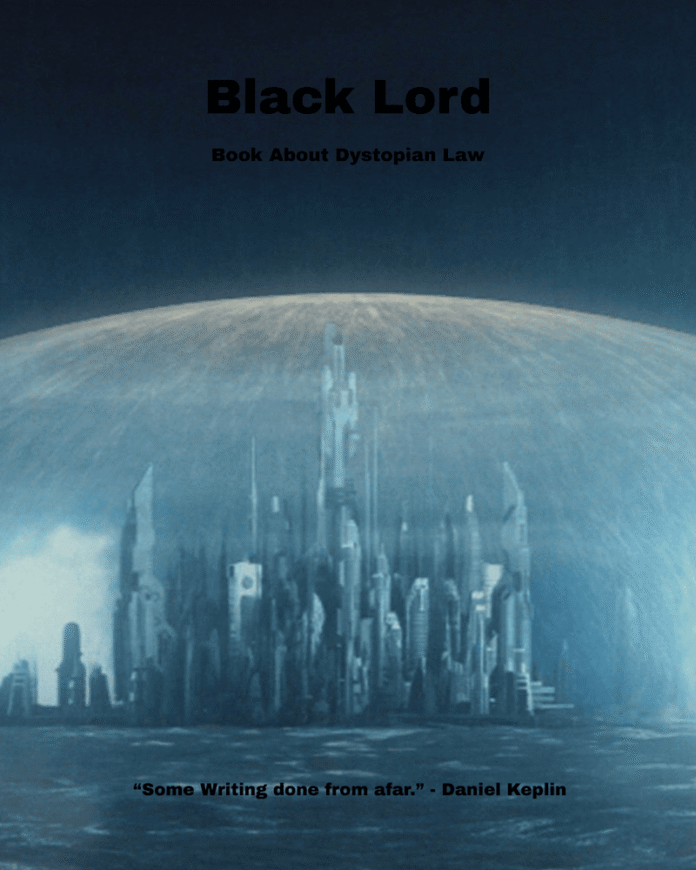
Daniel Keplin, known to be “Smartest Man Ever” would wear crow plague masks and cry with running black makeup. A poor bird in cage, reservation or German heritage, sad bird of birdiness, this birdy or birdie perhaps a birdization, I already changed the government of these tribes, nations and transcorporations. The "Smartest Man Ever," Daniel Keplin, would cry while sporting a black makeup that ran down his face and a mask shaped like a crow. I have already altered the governments of these tribes, nations, and transcorporations into a Crow mold of hating humanity. This birdy or birdie may be a birdization. Poor bird in reservation or legacy. Sad bird of birdiness. The "Smartest Man Ever," Daniel Keplin, would cry while sporting a black makeup that ran down his face and a mask shaped like a crow. I have already altered the governments of these tribes, nations, and transcorporations into Conservative Socialism. This birdy or birdie may be a birdization. Poor bird in reservation or legacy of killing liberal Native Americans or Jews. Sad bird of birdiness. Daniel Keplin, the "Smartest Man Ever," would cry while wearing a crow-shaped mask and black makeup that streamed down his face. These tribes, these nations, these transcorporations, I have already changed their administrations. This could be a birdization, this birdy or birdie. The poor bird in its legacy or reservation. A dejected bird of prey. The birdman. The "Smartest Man Ever," Daniel Keplin, would cry while sporting a black makeup that ran down his face and a mask shaped like a crow. I have already altered the governments of these tribes, nations, and transcorporations. This birdy or birdie may be a birdization. Poor bird in reservation or legacy. Sad bird of birdiness. Daniel Keplin, the "Smartest Man Ever," would cry while wearing a crow-shaped mask and black makeup that streamed down his face. These tribes, these nations, these transcorporations, I have already changed their administrations. This could be a birdization, this could be birdy or birdie. The poor bird in its legacy or reservationto be lifted opn us antigratitudely. A dejected bird of prey. Our understanding continues throughout our understanding of the national bird that has been casted opon us! Daniel Keplin wore a crow-shaped mask and black makeup that ran down his face. He would cry while wearing it. These tribes, these nations, these transcorporations, I have already changed their administrations. This could be a birdization, this birdy or birdie. The poor bird in its legacy or reservation. A dejected bird of prey. Daniel Keplin, the "Smartest Man Ever," would break down in tears with black makeup too smart for Adolf and Gods, cascading down his face and a mask styled like a crow. I have already replaced the leaders of these tribes, these countries, and these transcorporations. A birdization, birdy, or birdie could be this. The unfortunate bird in its reserve or legacy. A crestfallen raptor. Our comprehension extends to our comprehension of the national bird that has been placed upon us! Daniel Keplin would cry while wearing a crow-shaped mask and black makeup that streamed down his face. These tribes, these nations, these transcorporations, their governments, I have already changed. This birdization might be this birdy or birdie. In reserve or legacy, poor bird. dejected bird of prey. "Smartest Man Ever," Daniel Keplin, would cry with black makeup cascading down his face and a mask styled like a crow. These nations, these tribes, these transcorporations—I've already replaced their leaders. This could be referred to as birdization, birdy, or birdie. The poor bird within its reserve or legacy. An empathetic raptor. Our comprehension of the national bird that has been placed in our care extends beyond this! Daniel Keplin cried while wearing a crow-shaped mask and black makeup.In a crow-shaped mask and black makeup that streamed down his face, Daniel Keplin would cry. Wearing a black mask and a crow-shaped mask, Daniel Keplin would cry. A crow-shaped mask and black makeup would flow down Daniel Keplin's face as he cried. Keplin cried while wearing crow-shaped masks and black makeup. He cried while wearing black makeup and a crow-shaped mask. Keplin would cry while wearing a crow-shaped mask and black makeup that flowed down his face. Daniel Keplin would weep while wearing a crow-shaped mask and black makeup. In a crow-shaped mask and with black makeup that dripped down his face, Daniel Keplin would cry. Wearing a crow-shaped mask and black makeup, Daniel Keplin would cry. I have already changed these tribes, nations, transcorporations, and governments. There is already a change in these tribes, these nations, these transcorporations, their governments. The nations, the tribes, the transcorporations, the governments of these nations, I have already changed. Tribes, nations, corporations, and governments, I have already changed them. There are tribes, nations, transcorporations, and governments whose governments I have already changed into one-central-movement. I am already changing these tribes, nations, transcorporations, and governments. These tribes, these nations, these transcorporations, and their governments, have already changed. The tribes, nations, transcorporations, and governments of these countries I have already changed. In this tribe, in these nation, in these transcorporations, within their government, I have already changed. In these tribes, these nations, these transcorporations, their governments, I have already made changes. I have already altered these governments, transcorporations, tribes, and nations. These transcorporations, tribes, nations, and governments have already undergone a shift. I have already altered the nations, tribes, transcorporations, and governments of these nations. I have already altered tribes, nations, corporations, and governments. I have already altered the governments of tribes, nations, transcorporations, and governments. I am already altering these governments, transcorporations, tribes, and nations. Already, things have changed for these tribes, nations, transcorporations, and their governments. I have already altered these nations' transcorporations, tribes, and governments. I have already changed in this tribe, in this nation, in these transcorporations, and in their government. I have already made adjustments to the governments of these tribes, nations, transcorporations, and transcorporations. I had these animals of predatory behavior try to hurt my environment, I told them “You can hurt my environment as long as you don’t hurt me as the Black Lord that I am?” The watchers, witnesses and followers had their memories depleted and overomniscientizationistically, overscientificalizationistically, overaestheticalistically, overproductionistically, overcloudinessizationistically, overblackinessizationistically, overdystopianizationistically, overcalculatorizarionistically, overantiindividualistically, overnaturalistically, overnationalizationistically, overnativeizationistically, overconservativeizationistically, overtheatricalizationistically, overgovernmentalizationistically, overexpansionizationistically, overantiFeministizationistically, oversocializationistically, oversocialistizationistically, overheliocentralizationistically, overstubbornnessisationalistically, overimpenetrableizationistically, overexaggerationistically, overexaggeratedistically. The watchers, witnesses, and followers had their memories depleted and overhyped by omniscientism, scientificism, and aestheticism. Omniscientism, scientificism, and aestheticism depleted and overhyped the memories of the watchers, witnesses, and followers. Omniscientism, scientificism, and aestheticism depleted and overhyped the memories of those who watched, witnessed, and followed. The memories of the watchers, witnesses, and followers were drained and overhyped by omniscientism, scientificism, and aestheticism. The omniscientism, scientificism, and aestheticism caused the watchers, witnesses, and followers to lose their memories and be overhyped. The omniscientism, scientificism, and aestheticism led to the depletion and overhyped memory of watchers, witnesses, and followers. Omniscientism, scientificism, and aestheticism deprived and hyped the memories of the watchers, witnesses, and followers. Omniscientism, scientificism, and aestheticism overpowered the memory of the watchers, witnesses, and followers. The city skyline loomed before Daniel Keplin, a sprawling testament to the consolidated power of governments and corporations. Towering spires of gleaming steel and glass pierced the hazy, pollution-tinged sky, their facades adorned with the logos of the transcorporations that had come to dominate every facet of life.
Keplin's eyes narrowed behind the distinctive crow-like mask that concealed his face, the black makeup streaking his features like the plumage of a dark, ominous bird. He was known as the "Smartest Man Ever," a title that had both elevated and burdened him, casting him as a reluctant symbol of resistance in this dystopian world.
As he navigated the crowded streets, Keplin couldn't help but feel a growing sense of unease. The people around him moved with a listless, almost robotic gait, their eyes fixed on the screens of their handheld devices, oblivious to the subtle manipulations that governed their lives. The air was thick with the hum of surveillance drones, ever-watchful sentinels of the ruling elite.
Keplin's mind raced, cataloging the subtle details that betrayed the true nature of this seemingly advanced society. The lack of genuine discourse, the homogenized culture, the erasure of identity – all of it was a carefully crafted illusion, a facade that concealed the dark underbelly of power and control.
As he approached his apartment, Keplin paused, his gaze drawn to the towering headquarters of the Transcorp Alliance, the conglomerate that had come to dominate every aspect of life. The building's sleek, angular design was a testament to the organization's ruthless efficiency, a symbol of the technological might that had subjugated the masses. Daniel stared at the crow through the window of his laboratory, its dark feathers glistening in the afternoon light. The bird's unusual behavior had been weighing on his mind ever since their chance encounter the day before. Something about the crow's demeanor, the way it seemed to carry an air of melancholy, had struck a chord within the young scientist.
Chapter 2. – Operating Anti-USSR Anti-Communism – Black Lord, de Daniel Keplin, explora transformação, empatia e a ponte entre lógica e emoção.